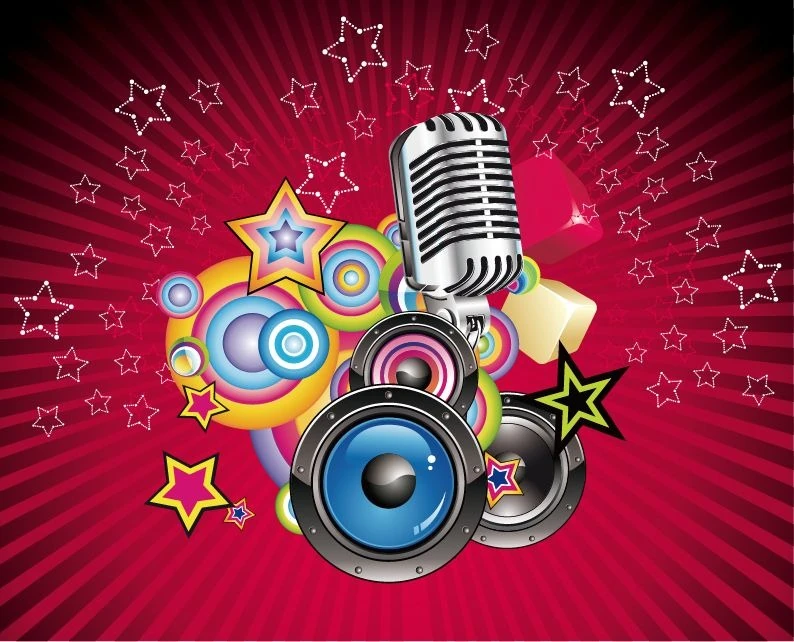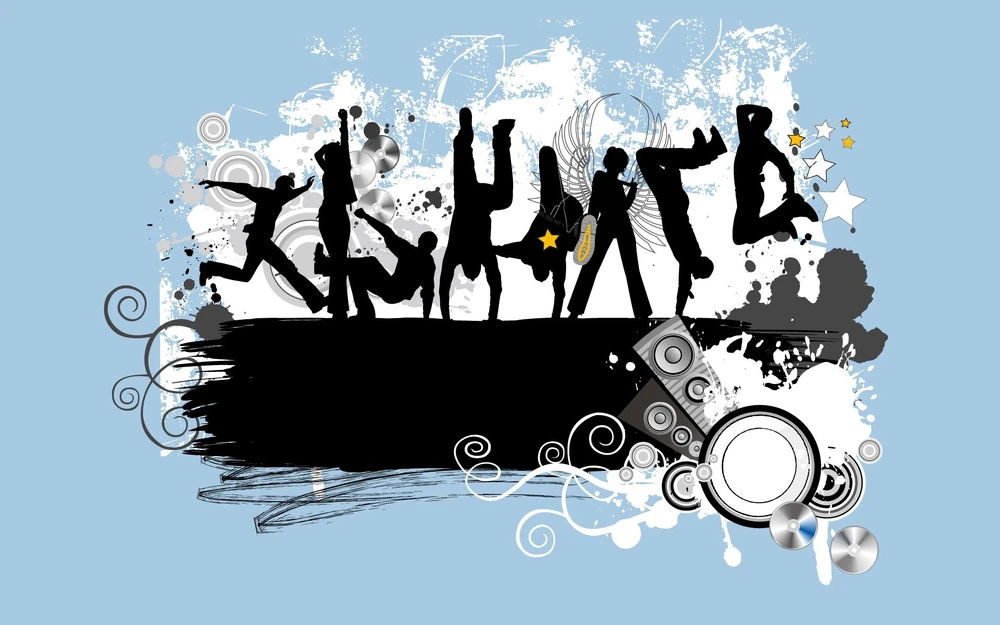

Vectordelia (popularly known as Frutiger Metro online) is a graphic design aesthetic that was prevalent from the mid-2000s to early 2010s.[1] The style represents a peak of “humanist maximalism” in computer-aided graphic design, characterized by the vibrant and sometimes glossy use of vector graphics.
Visually Metro
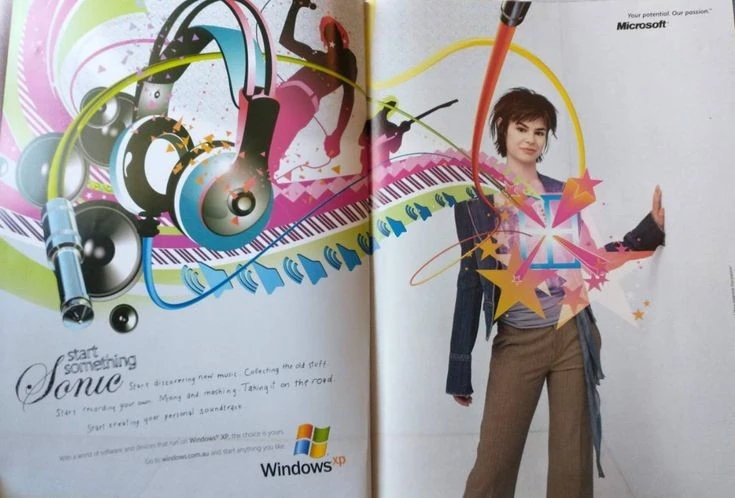
Visually, it features abstract flourishes, fluid shapes, solid silhouettes, and gradient blocks, often set against a monochrome background. Unlike the skeuomorphic realism of Frutiger Aero, Vectordelia focuses on flat but elaborate non-photorealistic forms with crisp, geometrically neat outlines. In animated contexts (such as the iconic iPod commercials or Xbox 360 dashboards) designs typically flow outwards from a central point, gaining variety and complexity as they grow.
The aesthetic was prominent in the late 2000s through the early 2010s, forming part of a larger trend towards humanist and maximalist computer-aided graphic design.
A new SEKAI (name unknown) with a tree is formed during the events of Wishes in Bloom!. Although it had existed before in previous events, it wasn’t normally accessible through the main game, and the tree was smaller. It was formed by the feelings of all the members of the 5 SEKAIs.
During its peak, the style had no single unified name, often referred to descriptively as generic terms like “vector maximalism” or “abstract vector art.” Researcher Evan Collins of CARI suggests the name Vectordelia, identifying the style as a digital evolution of the psychedelic “Corporate Hippie” art of the 1960s (such as the work of Peter Max). It merges these retro influences with the sharp glossy tools of Adobe Illustrator CS2/CS3.